International District Energy Association Annual Conference
June 23-26, 2026, Rogers Centre Ottawa Convention Center
FVB Energy is proud to be a sponsor of IDEA 2026, supporting one of the industry’s leading forums for advancing district energy, sustainability, and decarbonization. As a long‑standing leader in energy engineering and advisory services, FVB Energy is committed to helping shape resilient, low‑carbon energy systems for communities worldwide.
Hear From Our Expert Speakers
Niall Pidgeon,
Senior Manager

Harnessing AI Data Centre Waste Heat for Low-Carbon District Energy Systems
Tuesday, June 23, 2026
1:30 PM – 1:45 PM EDT | Location: Salon 206/208
Featured Project: Region of Waterloo
Unlocking Low‑Carbon Energy from AI Infrastructure.
Intermarket Properties and the Region of Waterloo are evaluating the feasibility of recovering waste heat from an AI data centre to supply a low‑carbon district energy system. If realized, this would be the first AI data centre in Ontario to implement large‑scale waste heat recovery.
The project explores how integrating AI data centres with district energy systems can transform a rapidly growing, energy‑intensive sector into a reliable source of low‑carbon thermal energy. Building on proven precedents across North America—such as the Markham District Energy system’s integration with IBM and Equinix data centres—the initiative applies established best practices in system design, stakeholder collaboration, ownership structures, and contractual frameworks.
Designed to support long‑term growth, the project aims to deliver resilient, scalable energy infrastructure while reducing emissions, improving energy efficiency, and creating shared value for data centre operators and the surrounding community.
Bryn Elliott, P.Eng.(BC),
Engineering Manager
Using Waste-to-Energy
in Burnaby’s Low Carbon DES
Wednesday, June 24, 2026
11:30 AM – 11:55 AM EDT | Location: Salon 213/215
Featured Project: Burnaby District Energy Utility
Enabling Low‑Carbon Growth at City Scale.
The City of Burnaby is implementing a new low‑carbon District Energy Utility to help buildings achieve the highest levels of the BC Zero Carbon Step Code, while reducing strain on the electrical grid.
Focusing on the Metrotown and Edmonds areas, the system will deliver low‑carbon heating by recovering waste heat from Metro Vancouver’s Waste‑to‑Energy Facility District Energy System (WTEF DES). The utility is being developed to support long-term urban growth with scalable, resilient energy infrastructure.
Andrew Young, P.Eng.(ON), ing.(QC),
Engineering Manager
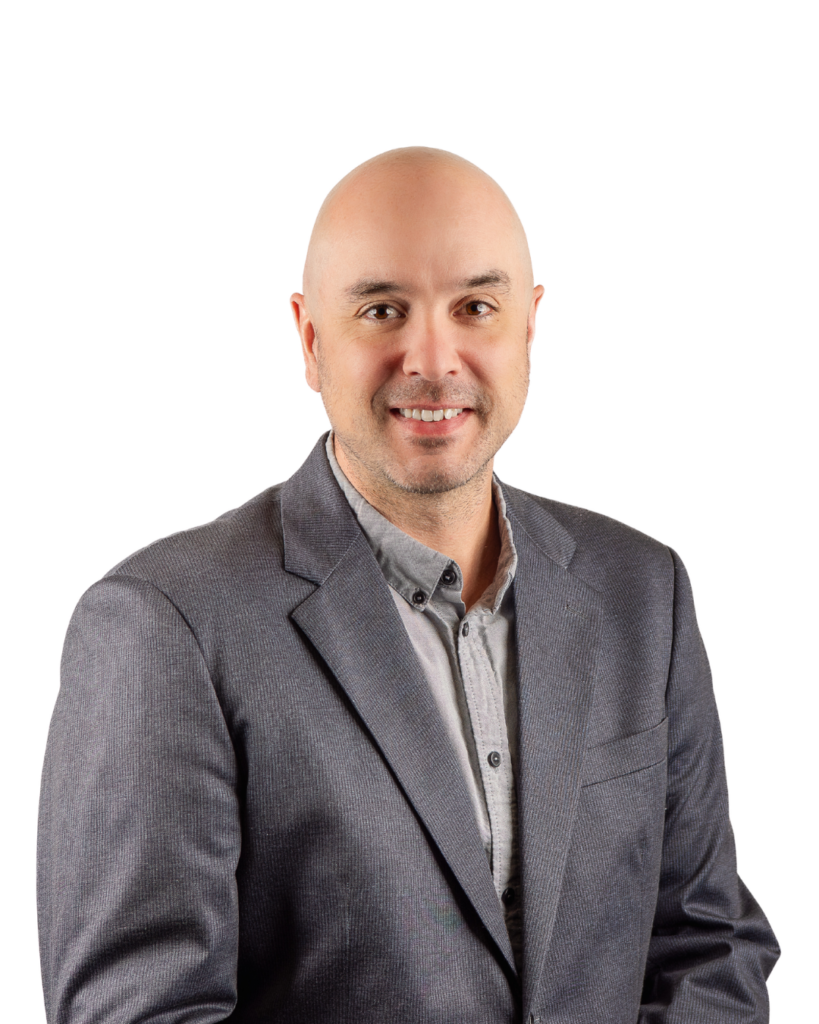
Early Results of Steam to Hot Water Peak Heating Demand Reductions for ESAP Buildings in Ottawa
Thursday, June 25, 2026
11:45 AM – 12:10 PM EDT | Location: Salon 205/207
Featured Project: The ESAP Downtown Ottawa system
From Steam to Hot Water: Strategies, Implementation, and Results
The ESAP Downtown Ottawa District Energy System is transitioning a diverse group of buildings—including offices, event venues, cultural spaces, theatres, and laboratories—from a legacy central steam system to a modern low‑temperature hot‑water network.
This conversion has already delivered measurable reductions in peak heating demand across all building types, driven by lower distribution losses and enhanced system control. The project provides valuable comparative data between the former steam system and the new hot‑water network, supporting evidence‑based planning for future district energy infrastructure.
Bernt Andersson,
Senior Advisor
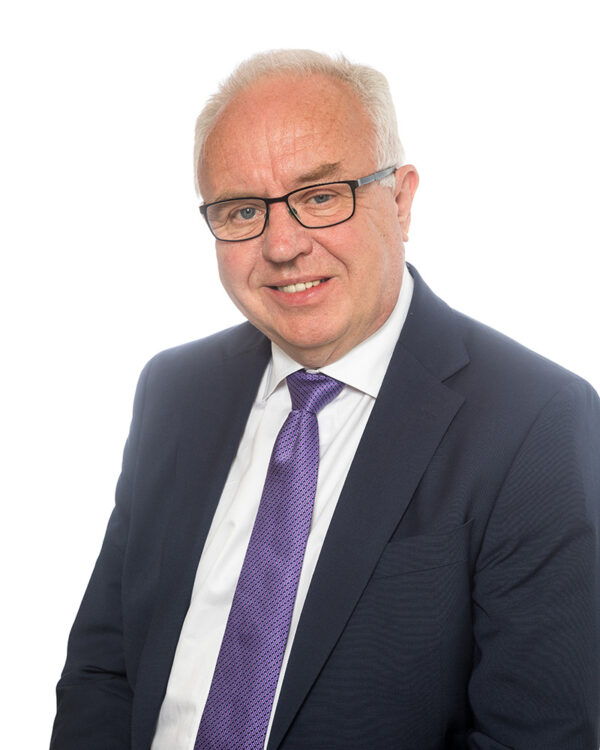
District Cooling Development Varberg, Sweden
Thursday, June 25, 2026
4:20 PM – 4:45 PM EDT | Location: Location: Salon 214/216
Featured Project: District Cooling – Varberg, Sweden
Innovative Sea‑Water Cooling for Low‑Carbon Communities.
The City of Varberg has implemented a state‑of‑the‑art district cooling system that leverages sea water from the North Sea as its primary cooling source, significantly reducing reliance on conventional, energy‑intensive air conditioning.
At the core of the system is integrated thermal energy storage (TES), enabling chilled water to be produced and stored during off‑peak periods and efficiently distributed across the district as cooling demand arises. Designed for high efficiency and operational flexibility, the Varberg district cooling system demonstrates how natural resources and thermal storage can be combined to deliver resilient, low‑carbon cooling infrastructure at the district scale.
Mark Spurr, B.A.,
Principal
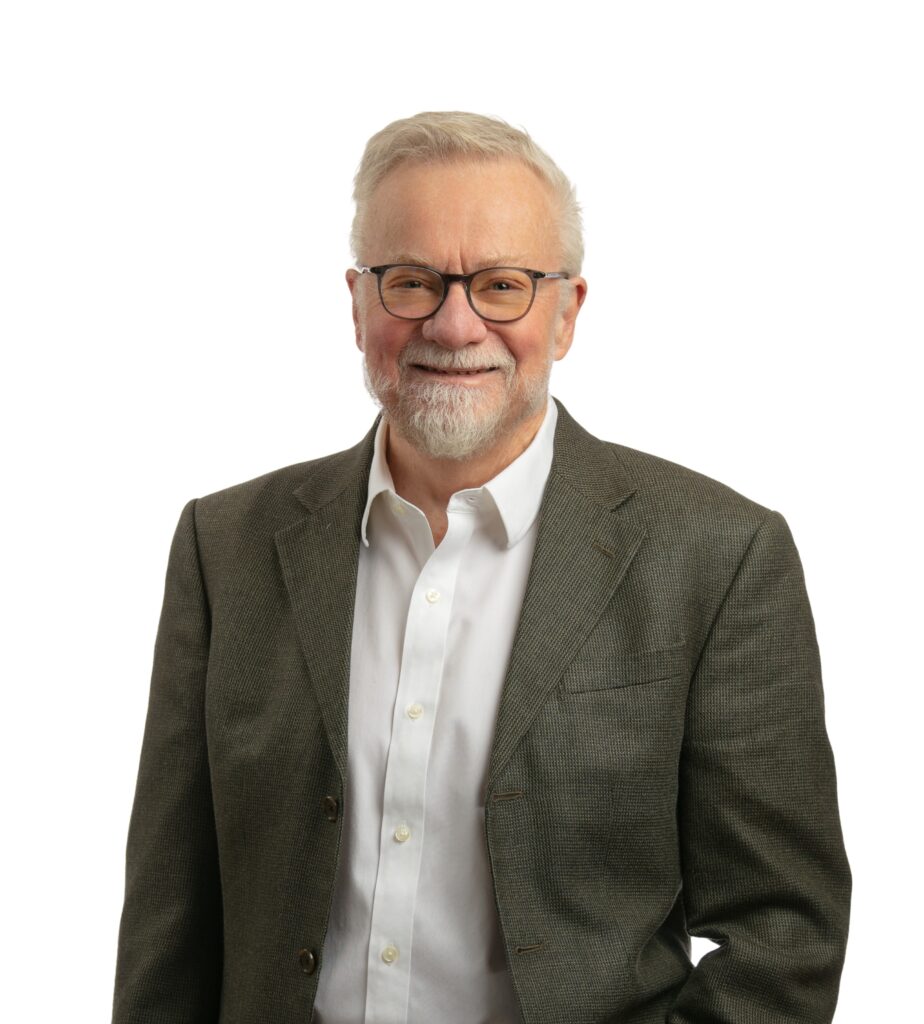
Technical and Financial Feasibility of a Large-Scale Wastewater Thermal Energy Recovery System for the Decarbonization of Downtown Denver
Thursday, June 25, 2026
3:50 PM – 4:15 PM EDT | Location: Salon 206/208
Featured Project: Robert W. Hite Treatment Facility
Advancing Low‑Carbon Thermal Networks in Downtown Denver
Metro Water Recovery, in partnership with Ramboll and FVB Energy, completed the Wastewater Energy Recovery & Distribution Study to evaluate the feasibility of large‑scale wastewater thermal energy recovery from the Robert W. Hite Treatment Facility, a 220‑MGD regional plant.
The study explores how recovered effluent heat could support the transition of Downtown Denver’s legacy steam system and nearby redevelopment areas to modern, low‑carbon thermal networks. Designed to support long‑term growth, the analysis evaluates scalable system configurations, heat pump integration, and phased implementation strategies to enable resilient, low‑carbon energy delivery.